
 The Diameters Of The Planets In Our Solar System
Last updated: Thursday, June 08, 2023
With this Chrome Extension, you can paginate your chats, reduce lag, and keep everything running smooth.
- ⚡ Faster performance
- 📑 Cleaner navigation
- 👌 No more endless scrolling
👉 Boost your ChatGPT experience today with
ChatGPT Conversation Booster
Each planet in our solar system possesses a distinct diameter, which is a measure of its size or width. For instance, Jupiter, the largest planet, boasts a diameter of approximately 86,881 miles (139,820 kilometers). Saturn follows closely behind with a diameter of around 72,367 miles (116,464 kilometers). In contrast, the inner planets, such as Mercury, Venus, Earth, and Mars, have smaller diameters ranging from approximately 3,032 miles (4,879 kilometers) to 7,918 miles (12,742 kilometers). These variations in planetary sizes contribute to the diverse landscapes, atmospheric conditions, and geological features observed on each celestial body.
Click On The Pictures To See The 3D Models From NASA
| Name | km | miles | Ratio To Earth | |
|---|---|---|---|---|
| Pluto | 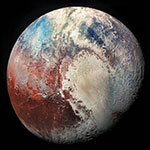 |
2376 | 1476 | 0.187 |
| Moon | 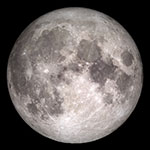 |
3475 | 2159 | 0.2724 |
| Mercury | 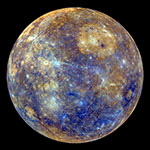 |
4879 | 3032 | 0.383 |
| Mars | 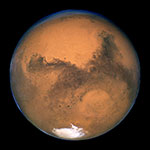 |
6792 | 4221 | 0.532 |
| Venus | 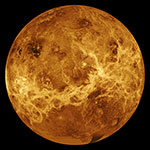 |
12104 | 7521 | 0.949 |
| Earth |  |
12756 | 7926 | 1 |
| Neptune | 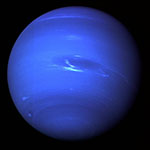 |
49528 | 30775 | 3.88 |
| Uranus | 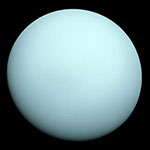 |
51118 | 31763 | 4.01 |
| Saturn | 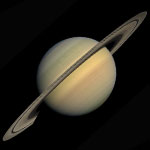 |
120536 | 74897 | 9.45 |
| Jupiter | 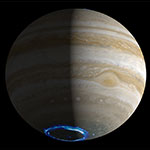 |
142984 | 88846 | 11.21 |
| Sun | 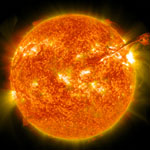 |
1,392,700 | 865,383.7 | 109.18 |
Bookmark this page or risk going on a digital treasure hunt again
Source: NASA